

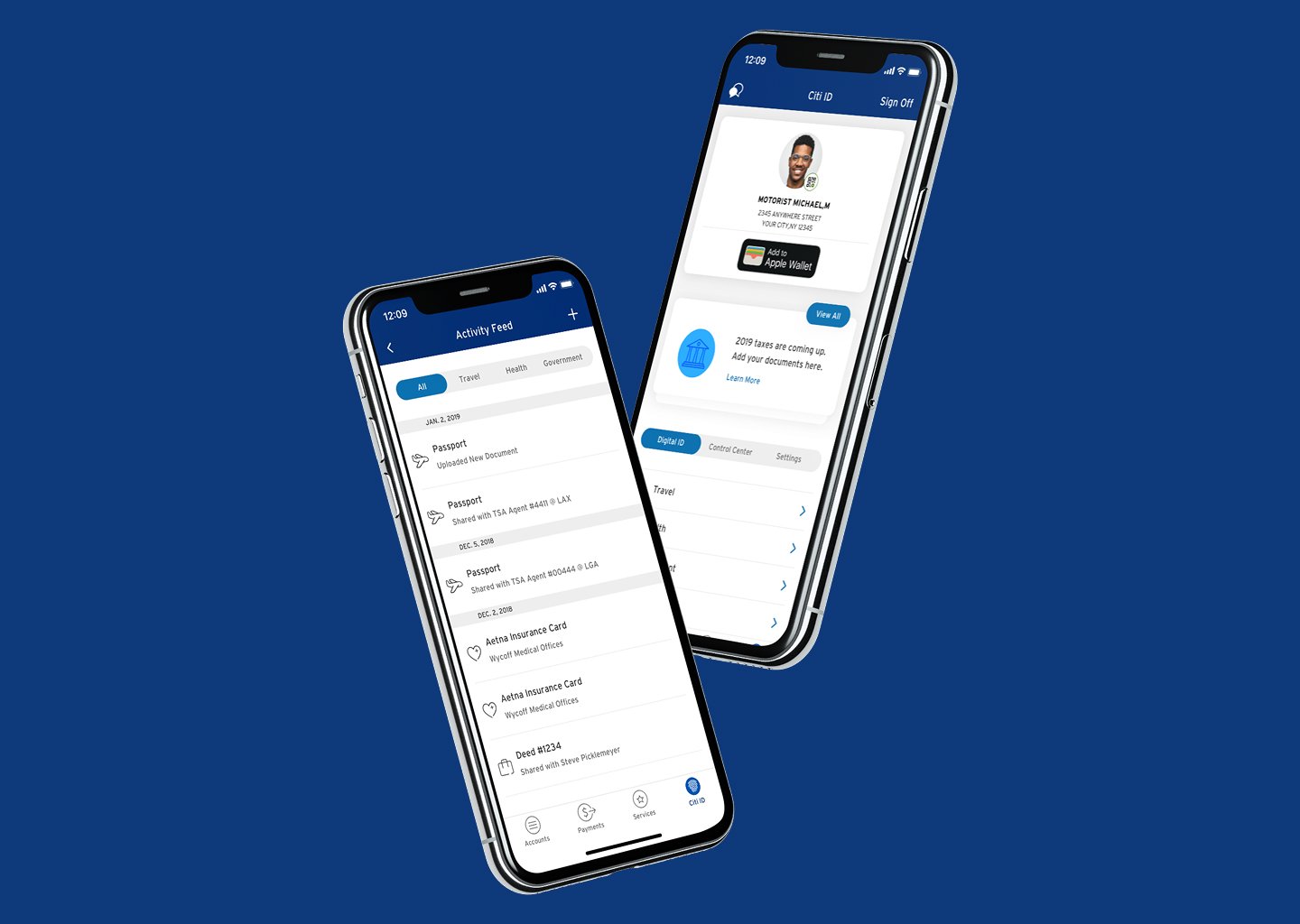
( Project Overview ) In 2018, Citi began exploring customer data protection and storage as a product opportunity. The concept was a digital identification and central personal-information hub that would let customers take direct control of their digital footprint. I led the design exploration and framed it as a net-new capability inside the existing Citi app, not a standalone product.
Role — Senior Product Designer, UX & Design System Lead. Timeline — 2017. Client — Citibank.
( Design Challenge )
Citi wanted this concept validated before committing engineering investment, and there was no defined feature request to work from. That put two problems in front of me at once: understand the personal and file storage space well enough to know who would use it and why, and reconcile what the business wanted — a reason for customers to consolidate more of their financial life inside Citi — with what customers needed, a trustworthy place to manage sensitive personal information. Beyond storing data, the product had to build awareness of the problem, educate customers on why it mattered, and prompt them to act.
-
01
Answer a real customer need and streamline real-time storage of important personal information
-
02
Introduce this as a new feature set within the existing Citi application
-
03
Educate users on taking control of their digital footprint
-
04
Define the user personas the concept needed to serve
( Research )
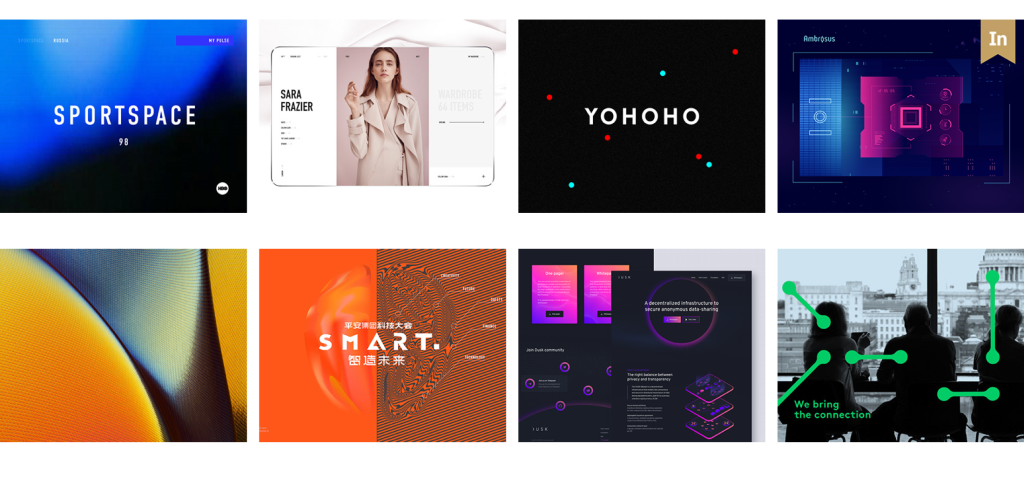
I started with a mood board and a competitive scan of the personal-data-storage landscape to see how others framed the space, then used that to sharpen who Citi's version needed to serve. Those three personas shaped everything downstream — the concept had to hold up for someone managing a household's paperwork and for someone managing complex, high-stakes financial assets, without becoming three different products.
-
01
Mood board
How the personal-data space wanted to feel
-
02
Competitive scan
How others framed storage, trust, and control
-
03
User personas
- Head of Household
- Asset Manager
- High Net Worth Client
-
04
One concept
Not three products — one hub that holds up for all three
-
05
Trust bar
Household paperwork and high-stakes assets, same product
( Design Process )
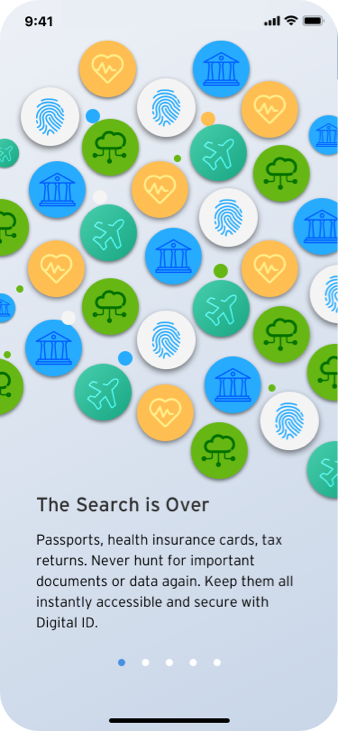
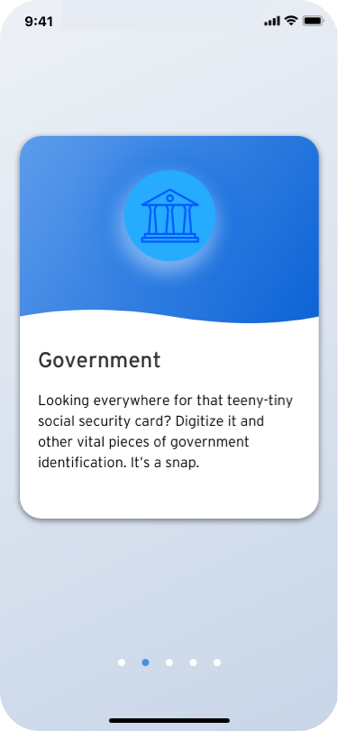
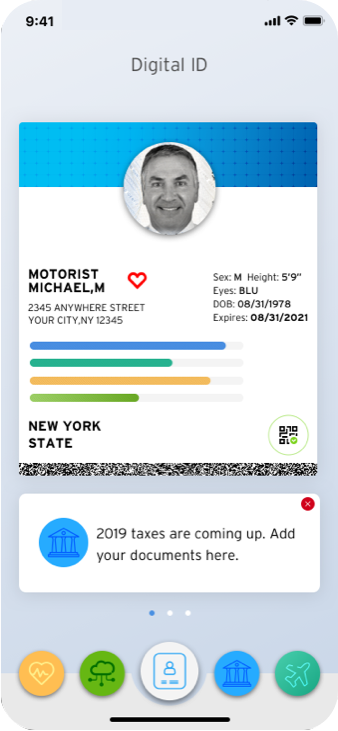
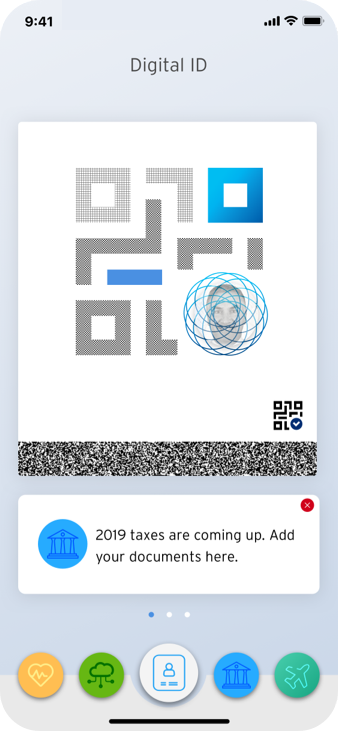
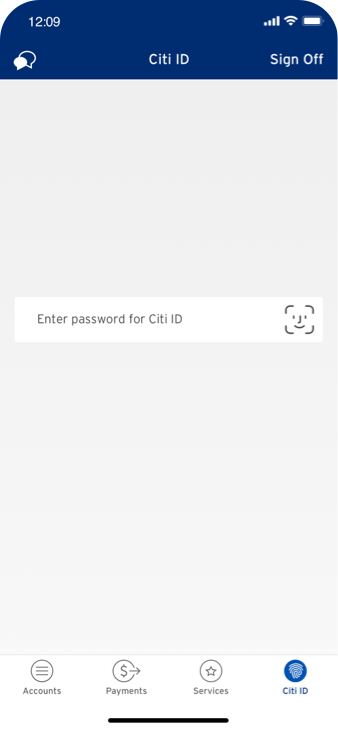
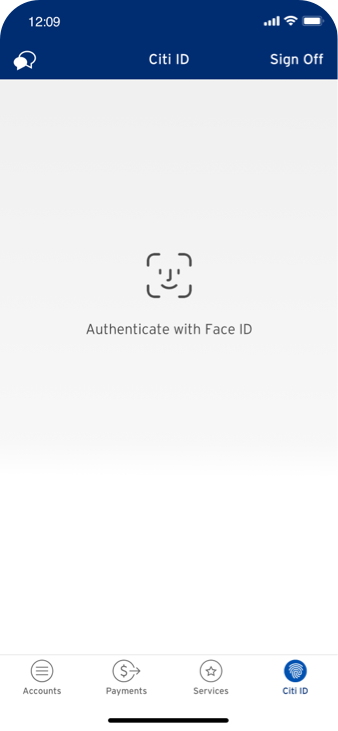
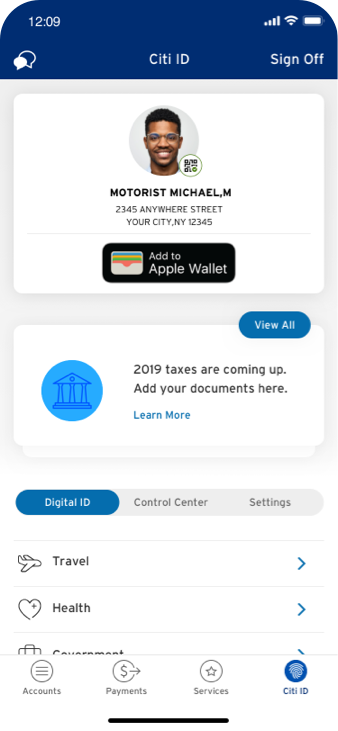
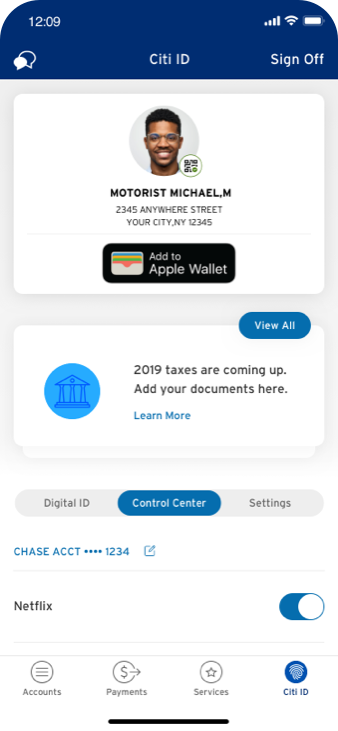
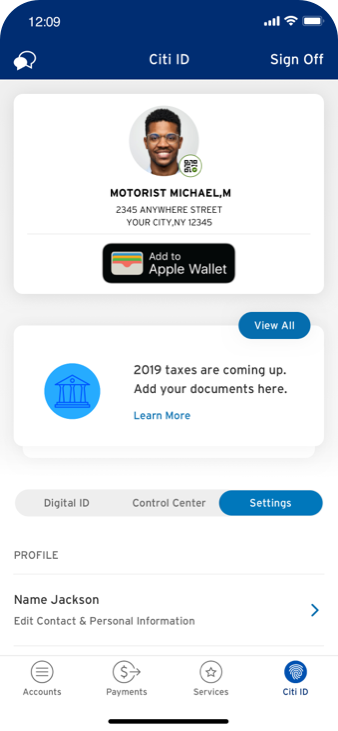
I moved from concept to validated direction in stages. Testing unbranded before branded was deliberate — it separated whether the concept solved a real problem from whether people trust Citi to solve it, two questions that get muddled if you only show the finished, branded thing.
-
01
Wireframe first. I mapped the core concept before investing in visual design.
-
02
Unbranded testing. The first round tested the idea without Citi’s brand influencing perception.
-
03
Branded testing. The second round showed how trust and expectation shifted once it was clearly a Citi product.
-
04
Refine after each round. Each test fed the next version of the design.
( Visual Mood Board )


( Un-Branded Stimuli )
( Branding Concepts )


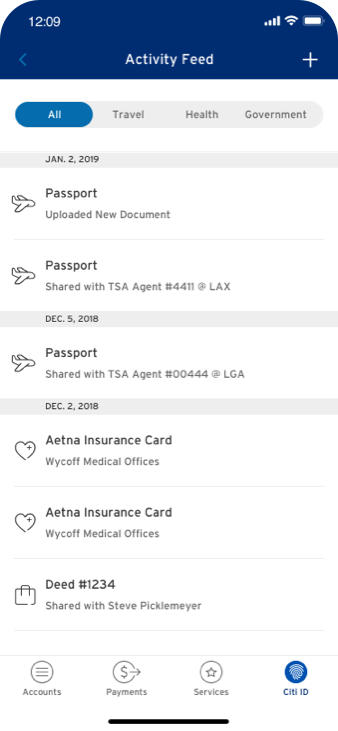
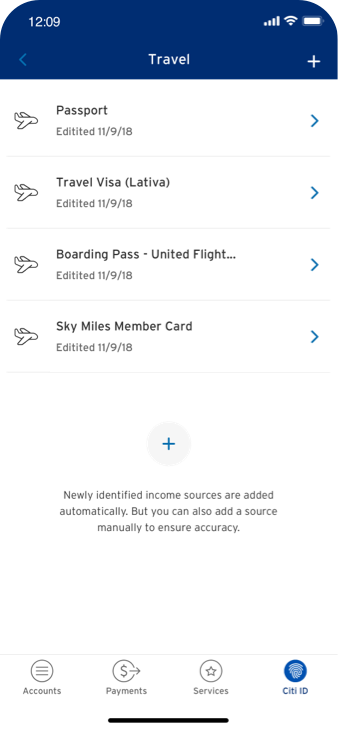
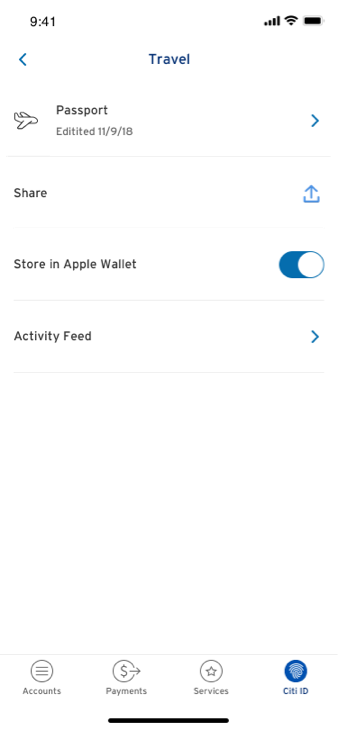
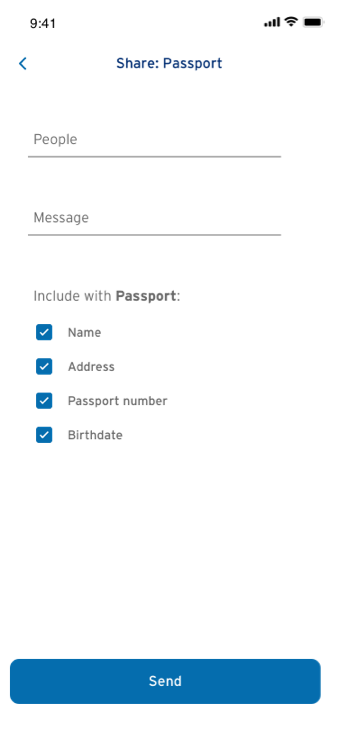
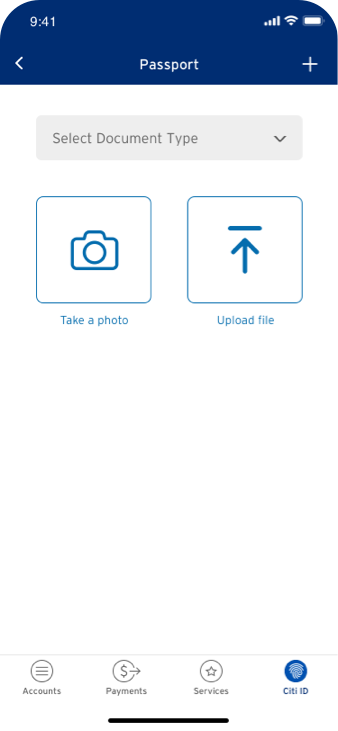
( Branded Stimuli )
( Outcome )
The concept was validated with 514 Citi customers through Cspace. With 7 in 10 customers landing as viable prospects, the research gave Citi a validated, evidence-backed case for a digital identity and personal-data hub, built around the personas who would use it and the business case for it.
Validated with 514 Citi customers through Cspace
At least potential customers
At least somewhat interested
Uninterested